Kyoto's Autumn Temples: Three Places to See the Maples, and What to Look For
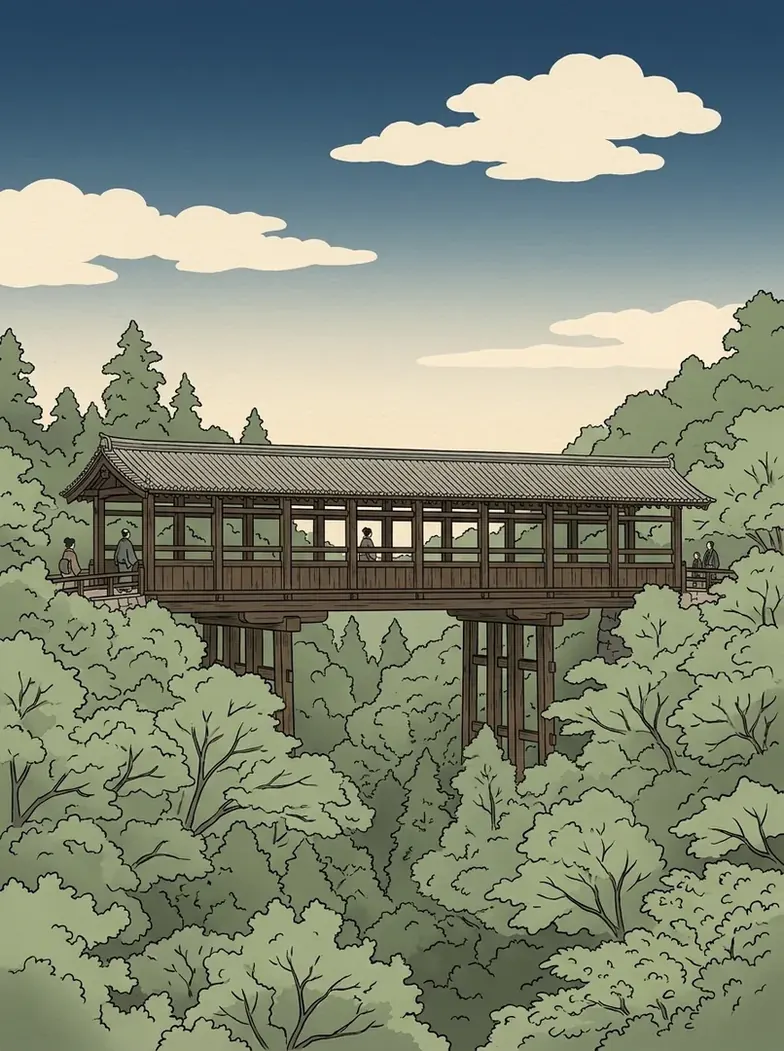
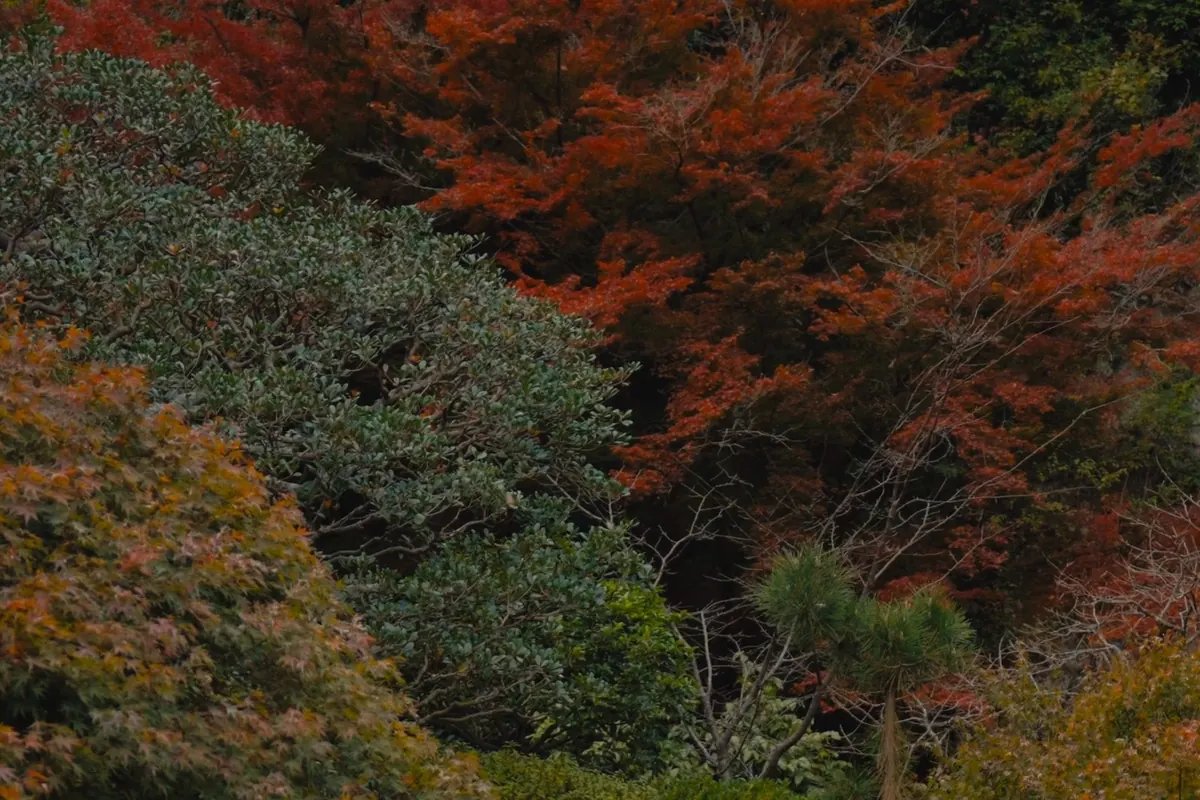
On Tsūten-kyō, the roofed bridge across Tōfuku-ji's ravine, the maples are level with the shoulders of the people crossing.
Three Kyoto temples show the autumn maples from three different places to stand. At Tōfuku-ji you cross the ravine at canopy height, at Kiyomizu-dera the stage stands over the treetops, and at Eikan-dō around three thousand maples ring a pond.
Each entry below gives you one reason to go, one thing to find once you're there, this autumn's dates and hours as the temple's own page gives them, and what the temple asks of visitors. The dates for all three are gathered in one short list near the end, so that's the part to keep for the trip.
This year's forecast
Forecast as of 14 October 2026. In its second forecast, issued on 1 October 2026, the Japan Meteorological Corporation (JMC) puts Kyoto's red maple benchmark tree at around 11 December, against an average of 5 December. Its next update is due in early November. In its update of 14 October 2026, the Japan Weather Association expected peaks around the usual time or later, later in many lowland places in eastern and western Japan. The JMC date belongs to a weather office's reference tree, not to a temple garden.
Tōfuku-ji: the maples at shoulder height
Tōfuku-ji's grounds are cut in two by a wooded ravine, the Sengyokukan. Tsūten-kyō spans it: a long roofed bridge, closed in at the sides like a corridor. About two thousand maples grow in the ravine below, and their canopy comes up level with the shoulders of anyone crossing. So here you see the maples from the side, at the height of their leaves, for the whole length of the bridge.
One thing to find. One tree in the ravine turns gold instead of red. It is a three-lobed maple, and by the temple's own account, the founder carried it home from Song China.
This autumn, per the temple's page (Tōfuku-ji visiting guide):
- The autumn period runs from 14 November to 6 December 2026.
- In the autumn period, Tsūten-kyō and Kaisandō open at 8:30 (9:00 outside it). Last reception is at 16:00, and the gate closes at 16:30.
- From 1 to 13 November the hours are 9:00 to 16:00. From 7 December they're 9:00 to 15:30.
- Autumn tickets for Tsūten-kyō and Kaisandō are ¥1,000 for adults and ¥500 for children. The page lists no combined ticket in the autumn period, and a ticket covers one entry.
What the temple asks. In the autumn crowds, the temple may ask visitors not to take photos on the Tsūten-kyō and Gaun-kyō bridges. Hand-written goshuin aren't offered in the autumn period. All year, it asks visitors not to eat or drink in the grounds or take photos with a tripod.
Getting there (Tōfuku-ji access). From Kyoto Station, the JR Nara Line takes about 3 minutes to Tōfukuji Station, then it's about 10 minutes on foot. City bus 88 or 208 from Kyoto Station takes about 15 minutes to the "Tōfukuji" stop, then about 4 minutes on foot. The temple's car parks are closed from 25 October to 10 December, per its access page. The temple asks visitors to come by public transport in the autumn season.
The gold maple's story, and the rest of Tōfuku-ji, are in its guide, ready to read before you go or to listen to on the day.
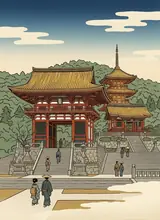
Kiyomizu-dera: the stage over the treetops
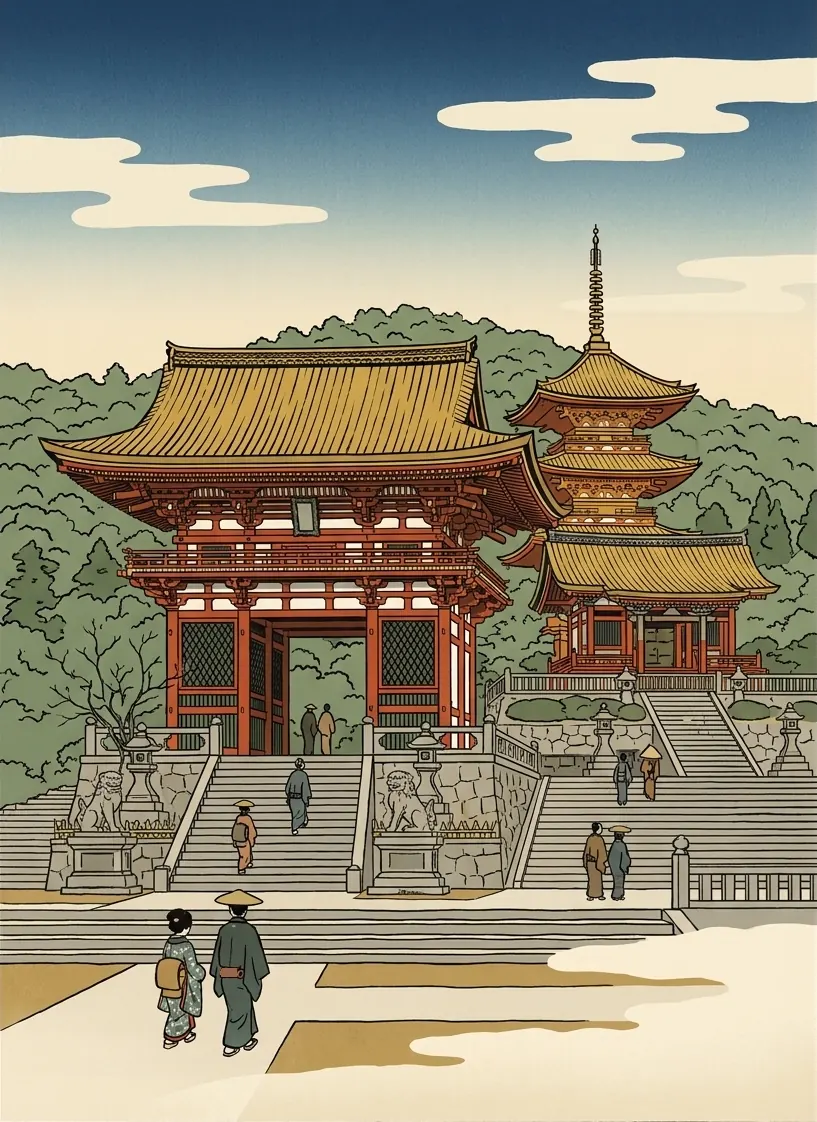
Kiyomizu-dera
Kiyomizu-dera's stage stands nearly 13 metres above the hillside, over the tops of the maples. Here the maples are something you look out across. The view runs "over the maples, across the grey rooftops, to the whole of Kyoto", so the season comes with the city laid out behind it.
One thing to find. The frame of wooden pillars that holds the stage up. The temple says it's joined "without using a single nail". The stage that stands today was raised again in 1633.
This autumn, per the temple's pages (Kiyomizu-dera hours; night viewing):
- Normal hours in 2026 are 6:00 to 18:00.
- The autumn night viewing runs from 21 to 30 November 2026. The gate stays open to 21:30, last entry is at 21:00, and no reservation is needed.
- Kyoto City's listing gives the evening start as 17:30.
- Kyoto City's night-viewing listing gives admission as ¥500 for adults and ¥200 for elementary and junior high students.
- On the same dates, the temple's events page lists a special opening of the Jōju-in garden in two sessions: from 10:00, with last entry at 16:00, and from 18:00, with last entry at 20:30.
What the temple asks. Its visitor rules ask people not to use tripods, monopods or drones, not to stay long in one spot taking photos, and not to eat while walking. There's no car park on the grounds, so the temple advises public transport or a taxi.
Getting there (Kiyomizu-dera access). From Kyoto Station, city bus 206 or 100 runs to "Gojōzaka", then it's 10 minutes on foot. From Keihan Gion-Shijō or Hankyu Kyoto-Kawaramachi, city bus 207 runs to "Kiyomizu-michi", also 10 minutes on foot. The temple warns that map apps such as Google Maps may suggest routes that don't lead into the grounds. The two ways in are up Kiyomizu-zaka, past the Niō-mon gate, or up Chawan-zaka.
Kiyomizu-dera's guide picks up from the pillars. Read it on the way up, or listen with the view in front of you.
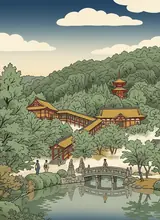
Eikan-dō: around three thousand maples ringing the pond
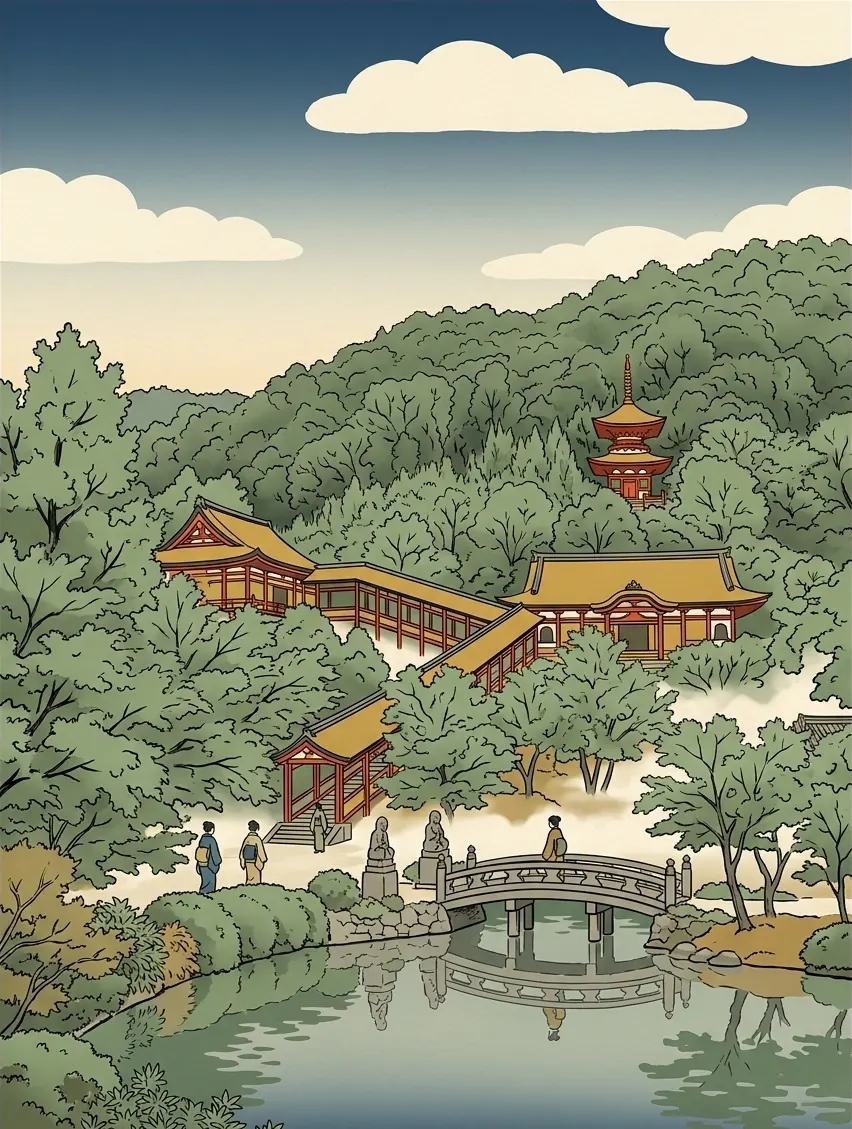
Eikan-dō
At Eikan-dō the maples gather round water. There are around three thousand of them, ringing the pond, and people call the temple the Eikan-dō of maples. Visitors take their shoes off at the door and carry them with them, so it helps to arrive ready for that.
One thing to find. The Mikaeri Amida, "the Amida who looks back". It's a standing figure whose head is turned back over its own left shoulder. Why it stands that way is the temple's own story, and it's worth hearing in full.
This autumn, per the temple's pages (What's new and visiting guide):
- The autumn temple treasures exhibition runs by day from 11 November to 6 December 2026. Reception is 9:00 to 16:00, and the gate closes at 17:00. Admission is ¥1,500 for adults, ¥1,000 for university students and ¥800 for junior and senior high school students (visiting guide).
- The night illumination runs from 20 November to 6 December 2026. Reception is 17:30 to 20:30, and the gate closes at 21:00 (Kyoto City listing). Admission is ¥1,000 from junior high age.
- The page says fees were revised this year.
- Day and night are separate entries, so you can't stay on from one into the other.
- Tickets are sold on the day only and are valid that day.
What the temple asks, and what changes in the busy weeks. The temple asks visitors to bring a shoe bag. From 11 November to 6 December the Garyū-rō corridor is closed to passage and the Senbutsu-dō hall is closed. The Tahōtō pagoda may close in crowds or bad weather, and the temple may bring its closing time forward.
Getting there. City Bus 5 to "Nanzen-ji Eikan-dō-michi", then 3 minutes on foot. Kyoto City notes that this stop is closed in the busiest season, and its listing also gives the "Higashi-Tennōchō" bus stop, about 8 minutes on foot, and Keage Station on the Tōzai subway line, about 15 minutes on foot.
Eikan-dō's guide tells why the Amida looks back. Read it the night before, or listen once you're there.
When each temple's autumn programme runs
Dates from each temple's own page, as read on 14 October 2026. Open the link again before you go.
- Eikan-dō: autumn temple treasures exhibition, 11 November to 6 December 2026. Night illumination, 20 November to 6 December 2026. Temple's page
- Tōfuku-ji: autumn period, 14 November to 6 December 2026. Temple's page
- Kiyomizu-dera: autumn night viewing, 21 to 30 November 2026. Jōju-in garden special opening, 21 to 30 November 2026. Temple's page
Questions
Which Kyoto temples are best for autumn leaves?
Three temples to plan around are Tōfuku-ji, Kiyomizu-dera and Eikan-dō, and each shows the maples from a different place to stand. At Tōfuku-ji about two thousand maples fill a ravine crossed by a roofed bridge, Kiyomizu-dera's stage stands nearly 13 metres above the hillside over the tops of the maples, and at Eikan-dō around three thousand maples ring the pond.
When do the leaves turn in Kyoto?
Only a forecast can say, and it changes through the season. As of 1 October 2026, the Japan Meteorological Corporation forecast Kyoto's red maple benchmark tree around 11 December, against an average of 5 December, with an update due in early November, and in its update of 14 October 2026, the Japan Weather Association expected peaks around the usual time or later, later in many lowland places in eastern and western Japan. The benchmark is a weather office's reference tree, not a temple garden; the autumn programmes at these three temples run between 11 November and 6 December 2026, per their pages.
Do I need tickets in advance?
Eikan-dō's page says tickets for the day exhibition and the night illumination are sold on the day only, valid that day. Kiyomizu-dera's page says its autumn night viewing needs no reservation. Tōfuku-ji's page lists prices and hours for the daytime autumn visit and doesn't mention advance tickets.